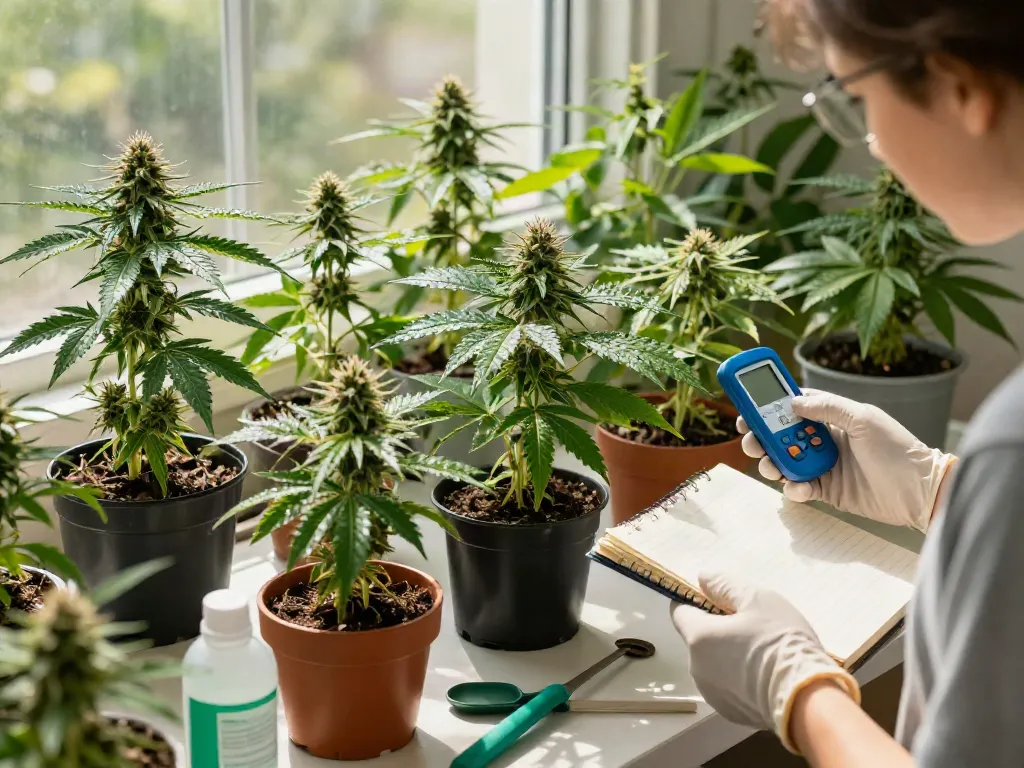
Understanding Autoflower Cannabis Seeds
As the cannabis cultivation community continues to evolve, autoflower cannabis seeds have emerged as a popular choice for both novice and experienced growers. These unique seeds offer distinct advantages that cater to varying growing conditions and preferences. In this comprehensive guide, we will delve into the intricacies of autoflowering cannabis, detailing what sets these seeds apart and providing insights to explore autoflower varieties available in 2026.
What Are Autoflower Varieties?
Autoflower cannabis varieties are strains that automatically transition from the vegetative stage to the flowering stage without the need for specific light cycle adjustments. Unlike photoperiod strains that require a change in light exposure to induce flowering, autoflowers are genetically programmed to flower based on their age. This feature is primarily derived from Cannabis ruderalis, a subspecies known for its day-neutral flowering characteristics.
The Science Behind Autoflowering Genetics
The genetic makeup of autoflower seeds is a fascinating aspect of modern cannabis cultivation. By cross-breeding ruderalis strains with popular photoperiod strains, breeders have created hybrids that maintain the desirable traits of both types. As a result, growers can enjoy the benefits of quicker harvest times and ease of cultivation without sacrificing potency or flavor. The incorporation of ruderalis genetics allows these plants to thrive even in shorter growing seasons or variable climates.
Benefits of Growing Autoflower Seeds
- Fast Growth Cycle: Autoflower seeds typically reach maturity within 8 to 10 weeks from germination, making them ideal for those seeking rapid turnarounds.
- Compact Size: Many autoflowering plants are smaller and bushier, which is perfect for discreet growing in limited spaces.
- Resilience: These plants tend to be hardier and can withstand fluctuating environmental conditions better than their photoperiod counterparts.
- Versatile Cultivation: Autoflowers can be grown indoors and outdoors, providing flexibility across various growing environments.
Choosing the Right Autoflower Strains
When selecting autoflowering strains for your garden, several factors play a role in determining the ideal match for your needs. Understanding these factors can significantly enhance your growing experience and yield. Autoflower seeds offer a plethora of options, so knowing what to look for is crucial.
Factors to Consider When Selecting Strains
- Size and Height: Different autoflower varieties can produce plants of varying sizes. Be sure to select a strain that fits your growing space.
- Yield Expectations: Look for breeder specifications regarding expected yields to align with your goals.
- Cannabinoid Profile: Depending on your preferences, you may want to choose strains with specific THC or CBD levels.
- Growth Time: While most autoflowers mature quickly, some may take longer than others. Assess your timeline before making a selection.
Comparing Autoflower vs. Feminized vs. Regular Seeds
Understanding the distinctions between autoflower, feminized, and regular seeds is vital for effective cannabis cultivation. Autoflower seeds focus primarily on flowering traits, while feminized seeds are bred to produce female plants exclusively, maximizing yield potential. Regular seeds, however, can produce both male and female plants, which might be useful for specific breeding purposes. Knowing these differences can help you make informed choices to suit your cultivation goals.
Top Autoflower Varieties to Explore in 2026
As we look into the current offerings for autoflower cannabis seeds in 2026, several standout strains have captured the attention of growers:
- Purplematic CBD: A rising star in the CBD domain, known for its balanced effects and vibrant color.
- Grapefruit’matic: An excellent choice for those who enjoy fruity flavors and quick harvests.
- Northern Light Auto: A classic strain that offers robust yields and a smooth, relaxing high.
- Bubblegum: Famous for its sweet flavor and euphoric effects, perfect for both novice and seasoned growers.
- Cinderella: A hybrid offering an ideal balance of sativa and indica effects with strong yields.
- Gorilla Zkittlez: Known for its intense flavors and high potency, suitable for those seeking a flavorful experience.
- Blueberry: A long-time favorite, this strain is cherished for its sweet berry taste and relaxing effects.
- Blue Dream’matic: A hybrid strain that combines the best of both worlds, delivering uplifting effects with substantial yields.
- Royal Gorilla Auto: A powerhouse strain that promises intense euphoria and a high THC content.
- Cherry Pie Auto: Offers a delightful cherry flavor and soothing effects, making it a sought-after choice.
- Exodus Cheese Auto: Renowned for its unique cheese aroma and well-rounded effects, it stands out in the autoflower category.
- Royal AK Auto: A formidable strain that boasts high yields and vigorous growth.
Growing Techniques for Autoflower Seeds
Successfully cultivating autoflower cannabis seeds requires a solid grasp of the right techniques. Here’s how to get the most out of your plants.
Optimal Light and Nutrient Requirements
Autoflowering cannabis plants thrive under full-spectrum light. For indoor growers, utilizing LED or HID grow lights can optimize growth. Nutrient-wise, autoflowers typically require less fertilizer compared to photoperiods due to their shorter life cycle. It's crucial to choose a nutrient mix designed specifically for cannabis plants, ensuring a healthy balance of nitrogen, phosphorus, and potassium throughout the growth stages.
Watering Strategies for Healthy Growth
Proper watering techniques can significantly impact the health and yield of autoflowering plants. It's essential to monitor the soil moisture, as overwatering can stifle root development. A general rule of thumb is to allow the top inch of soil to dry out before watering again. Adjust your watering schedule based on the plant's size and environmental conditions.
Common Growing Mistakes and How to Avoid Them
Even experienced growers can fall prey to common pitfalls when cultivating autoflowers. Here are a few mistakes to avoid:
- Over-nutrient: Autoflowers need less nutrition; over-fertilizing can lead to nutrient burn.
- Ignoring Light Levels: Ensure your plants receive adequate light throughout their growth to maximize yield.
- Neglecting to Monitor pH Levels: Maintaining a proper pH level (between 6.0 and 7.0) is critical in preventing nutrient lockout.
- Rushing the Harvest: Be patient and wait for trichomes to reach the desired level of maturity before harvesting.
Harvesting and Yield Expectations
Successfully harvesting your autoflower crops begins with recognizing the right signs of maturity. Here is what you need to know about harvesting and yield expectations.
Signs Your Autoflower Plants Are Ready to Harvest
Harvesting at the right time is critical for ensuring optimal potency and flavor. A few key indicators include:
- Trichome Color: When trichomes shift from clear to a milky white, it's a sign that the plant is reaching peak potency.
- Yellowing Leaves: As plants mature, leaves may begin to yellow and die off, indicating that they are nearing harvest time.
- Hair Color Changes: Watch for pistil color changes; they will darken and curl inwards when the plant is ready.
Expected Yields from Different Strains
Yield expectations can vary significantly between autoflower strains. While some may produce as little as a few ounces per plant, others can yield over a pound, particularly in optimal conditions. Always refer to the breeder's specifications to gauge what you can expect from each specific strain.
Post-Harvest Processing Tips for Quality Buds
After harvesting, proper processing is essential for maintaining the quality of your buds. Here are some tips to ensure a top-notch final product:
- Drying: Hang your buds in a cool, dark, and ventilated space to dry for about 7-14 days.
- Curing: Store the buds in airtight containers, opening them periodically for air exchange to enhance flavor and potency.
- Trimming: Trim excess leaves after drying to improve the overall appearance and smokability of your buds.
Frequently Asked Questions about Autoflower Genetics
What Are the Best Autoflower Strains in 2026?
While several strains are gaining popularity, top picks include Purplematic CBD, Northern Light Auto, and Royal Gorilla Auto for their unique flavors and effects, as well as impressive growth characteristics.
How Do I Maximize Yields with Autoflower Plants?
Maximizing yields involves providing optimal light, nutrients, and water while ensuring plants have enough space to grow without being overcrowded. Monitoring environmental factors like temperature and humidity will also enhance growth.
Can Autoflower Seeds Be Grown Outdoors?
Absolutely! Autoflower seeds are well-suited for outdoor cultivation due to their resilience and ability to flower with varying light conditions, making them a great choice for growers in areas with shorter growing seasons.
What Is the Fastest Flowering Autoflower Variety?
Some of the fastest autoflower strains can finish in as little as 6 weeks from germination, including quick-flowering varieties like Early Skunk Auto. Timing will, of course, vary based on environmental conditions and care.
Are Autoflower Seeds Suitable for Beginners?
Yes, autoflower seeds are often recommended for beginners due to their ease of growth and forgiving nature. The lack of dependence on specific light cycles simplifies the cultivation process, making it accessible to new growers.