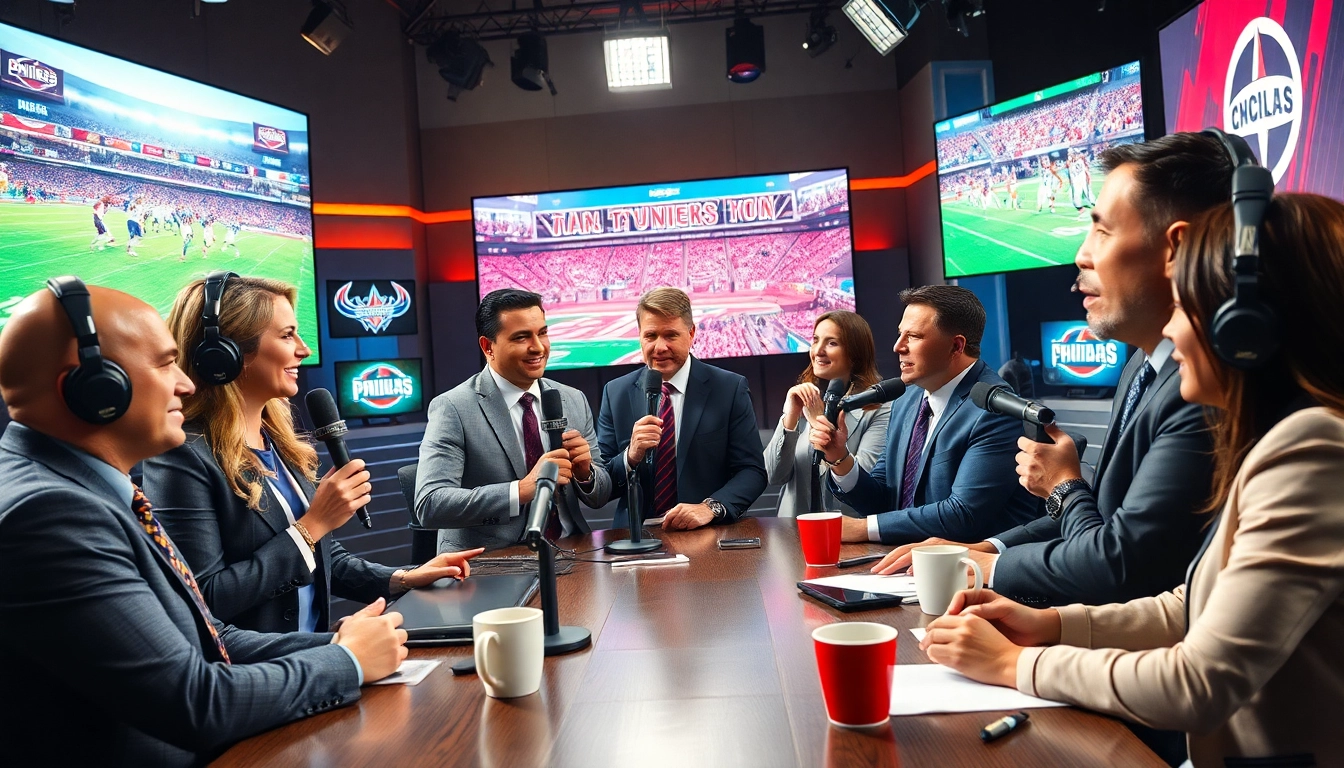
Understanding the Fundamentals of Sports Broadcasting
What is Sports Broadcasting?
Sports Broadcasting is a specialized field that encompasses the media coverage of athletic events, whether live or recorded. This sector plays a crucial role in how fans engage with their favorite sports, providing live commentary, analysis, and post-game discussion. In today's digital age, Sports Broadcasting has evolved from traditional television formats to include streaming platforms, podcasts, and social media, significantly enhancing the viewing experience.
The Evolution of Sports Broadcasting Technology
The journey of sports broadcasting technology dates back to the early 20th century when radio first aired live games. The introduction of television in the 1950s revolutionized the industry, bringing sports directly into viewers' living rooms. Today, the rise of high-definition broadcasts, 4K resolution, and real-time data analytics has transformed how sports are presented, creating a more immersive viewer experience. Innovations like augmented reality (AR) and virtual reality (VR) are set to take this evolution to new heights, providing fans with interactive experiences that were previously unimaginable.
Key Roles in Sports Broadcasting Teams
Successful sports broadcasting is a collaborative effort involving diverse professionals. Key roles include:
- Sports Commentators and Analysts: They provide live commentary and expert analysis during events.
- Production Team: Responsible for technical aspects such as camera operation, sound, and lighting.
- Directors: Oversee broadcast elements, ensuring everything runs smoothly.
- Writers and Researchers: Gather statistics, stories, and background information to inform broadcasts.
Preparing for a Successful Sports Broadcasting Career
Essential Skills for Aspiring Sports Broadcasters
To excel in sports broadcasting, aspirants need a blend of skills, including:
- Communication Skills: Articulate presentation and clear expression of ideas are vital.
- Technical Proficiency: Familiarity with broadcasting equipment and software is increasingly important.
- Sports Knowledge: A deep understanding of various sports, their rules, and history enhances credibility.
- Analytical Thinking: Ability to analyze games and provide insightful commentary is key.
Educational Paths and Certifications in Sports Broadcasting
There are several educational pathways for aspiring sports broadcasters, including degrees in journalism, communications, or broadcasting. Additionally, specialized programs and certifications in sports media can provide valuable experience. Internships at local radio or television stations also serve as an excellent way to gain hands-on knowledge and build industry contacts.
Networking Strategies in the Broadcast Industry
Networking is critical in the sports broadcasting landscape. Professional events, alumni gatherings, and workshops offer platforms for connecting with industry professionals. Online presence through social media and platforms like LinkedIn can also help individuals establish their personal brand and connect with potential employers.
Best Practices for Engaging Sports Broadcasting Content
Developing a Unique Broadcasting Style
Creating a distinctive broadcasting style helps individuals stand out in a competitive field. This can involve personalizing commentary, showcasing a unique perspective on sports events, and developing a specific on-air persona that resonates with audiences.
Creating Compelling Storylines During Broadcasts
Effective broadcasting is about storytelling. Broadcasters should weave narratives that connect statistics and player performance with personal stories, rivalries, and historical context to engage viewers emotionally. Powerful storytelling can turn a regular game into an unforgettable experience.
Utilizing Technology to Enhance Viewer Experience
Incorporating technology is essential for modern sports broadcasting. Advanced graphics, interactive features like viewer polls or social media feeds, and multi-camera angles offer viewers a more engaging experience. Keeping abreast of new technological developments is crucial for broadcast teams to stay relevant and appealing to audiences.
Analyzing Audience Engagement in Sports Broadcasting
Key Metrics for Assessing Broadcast Performance
To measure effectiveness, broadcasters should rely on metrics such as viewership numbers, audience retention rates, and social media engagement. Understanding these metrics allows teams to adapt strategies and improve content delivery.
Understanding Viewership Trends
Current trends indicate a shift in how audiences consume sports. Younger demographics lean towards streaming services and social media for their sports content, requiring broadcasters to adjust their strategies accordingly. Active engagement and understanding target demographics pave the way for successful broadcasting.
Feedback Mechanisms for Improvement
Regular feedback is vital for growth in sports broadcasting. Surveys, focus groups, and social media feedback provide insights into audience preferences and areas for improvement. Continually adapting and evolving based on this feedback helps maintain a relevant and engaged audience.
The Future Landscape of Sports Broadcasting
Impact of Streaming Platforms on Broadcasting
The emergence of streaming platforms has transformed the broadcasting landscape. These services provide flexibility in viewing and have introduced new revenue models such as subscription services and ad-supported content. Understanding how to leverage these platforms will be crucial for future broadcasters.
Innovative Technologies Shaping Sports Broadcasting
Technological innovations like artificial intelligence (AI), machine learning, and advanced data analytics are changing how sports are covered and consumed. These technologies will likely lead to more personalized viewing experiences, predictive analytics for game outcomes, and enhanced production quality.
Challenges and Opportunities Ahead
The sports broadcasting industry faces several challenges, including increasing competition from non-traditional platforms and the need for rapid technological adaptation. However, these challenges also present new opportunities for innovation, audience engagement, and the development of new business models.
Frequently Asked Questions (FAQs)
1. What qualifications are needed for a career in sports broadcasting?
A degree in journalism, communication, or broadcasting is beneficial. Experience through internships, hands-on practice, and understanding of the sports industry are also crucial.
2. How can I improve my on-air performance?
Practicing public speaking, receiving feedback, and studying seasoned broadcasters can enhance your on-air skills. Additionally, continuously developing your sports knowledge helps improve your commentary.
3. What technology should I be familiar with in sports broadcasting?
Familiarity with broadcasting software, microphones, cameras, and graphics systems is essential. Knowledge of emerging technologies, like AR and VR, will also be advantageous.
4. How important is audience engagement in sports broadcasting?
Audience engagement is critical; it affects viewership metrics and the overall success of broadcasts. Engaging content leads to higher retention and loyalty.
5. What trends are shaping the future of sports broadcasting?
Key trends include the rise of streaming services, interactive technology, and personalized content delivery. Staying updated on these trends is essential for future broadcasters.