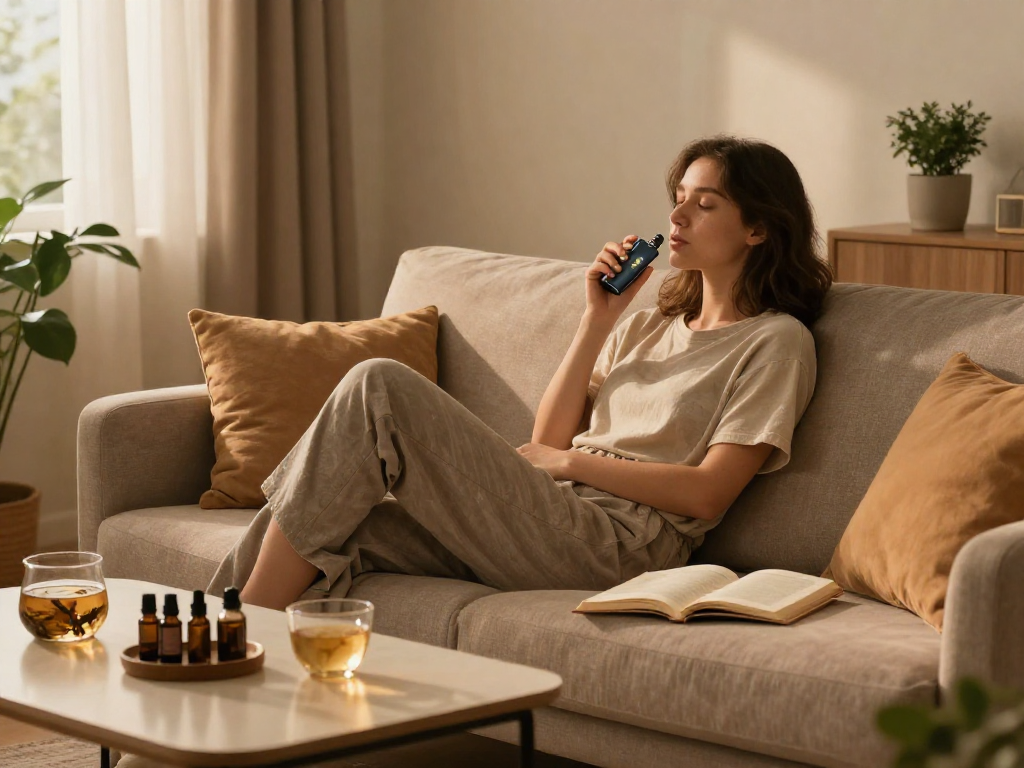
Understanding Cannabidiol (CBD) and Its Health Benefits
Cannabidiol (CBD) has gained significant attention over the past few years as a natural wellness supplement that may offer various health benefits. As a non-psychoactive compound found in the Cannabis sativa plant, CBD interacts with the body’s endocannabinoid system (ECS), which plays a crucial role in regulating various physiological processes. With increasing research and anecdotal evidence supporting its potential, individuals are turning to CBD for managing stress, discomfort, and other wellness-related issues. If you’re seeking reliable options for concentrate delivery near me, understanding the benefits and applications of CBD can enhance your wellness journey.
What is CBD and How Does it Work?
CBD is one of over 100 cannabinoids found in cannabis plants. It is derived primarily from hemp, a variety of cannabis with negligible levels of tetrahydrocannabinol (THC), the psychoactive compound that produces a “high.” By interacting with the ECS, CBD modulates several processes, including pain sensation, mood regulation, appetite, and inflammation. Understanding how CBD influences these processes helps users appreciate its potential as a health supplement.
Health Benefits of CBD Oil
Research suggests that CBD oil may offer several health benefits, including:
- Anxiety and Stress Reduction: Multiple studies indicate that CBD may help alleviate anxiety symptoms by promoting a sense of calm and relaxation.
- Improved Sleep Quality: CBD may enhance sleep by addressing underlying issues such as anxiety or pain that disrupt restful sleep.
- Pain Relief: CBD exhibits anti-inflammatory properties, making it a potential alternative for managing chronic pain and inflammation related to conditions like arthritis.
- Neuroprotective Properties: Emerging evidence hints at CBD’s potential to support brain health and function, possibly aiding in conditions like epilepsy and neurodegenerative diseases.
Common Uses for CBD in Wellness
Given its versatile benefits, CBD is commonly used in various wellness applications. Users incorporate CBD into their routines for:
- Daily stress relief through oils and tinctures.
- Enhanced physical recovery post-exercise via topical applications.
- Improved digestive health with edibles formulated for gastrointestinal support.
Exploring Different Product Types and Delivery Methods
Selecting the right CBD product is crucial for achieving the desired effects. Each product type offers unique delivery methods that affect bioavailability and onset time.
CBD Oils and Tinctures
CBD oils and tinctures are popular due to their quick absorption rates. Administered sublingually (under the tongue), these products allow for direct absorption into the bloodstream, resulting in faster effects compared to edibles. It's important to choose high-quality oils with clear potency information, often indicated by a Certificate of Analysis (COA).
Edibles and Capsules: A Convenient Option
CBD edibles, including gummies and capsules, provide a delightful and discreet way to consume CBD. However, they undergo metabolic processes before entering the bloodstream, meaning the effects may take longer to onset. Dosing can be simpler with pre-measured capsules, while edibles may involve a bit of experimentation to find the right dose.
Topicals and Their Localized Benefits
Topical CBD products, such as creams, balms, and patches, are designed for localized relief. They are absorbed through the skin, interacting with cannabinoid receptors in specific areas of discomfort. This delivery method is ideal for targeting pain points without systemic effects.
Dosage Guidelines and Usage Best Practices
Determining the appropriate dosage is essential to maximize the benefits of CBD. The effectiveness of CBD can vary significantly based on individual factors.
Calculating Your Optimal Dose of CBD
A good starting point for most users is the “start low and go slow” approach. Begin with a low dose, monitor your body’s response, and gradually increase until the desired effects are achieved. Individual factors such as body weight, metabolism, and the condition being addressed will influence dosing.
Factors Influencing CBD Dosage
Several factors can affect the optimal CBD dosage for each person:
- Body Weight: Heavier individuals may require higher doses than lighter individuals to experience the same effects.
- Individual Tolerance: Regular users may build a tolerance, necessitating higher doses over time.
- Metabolism: Various metabolic rates can affect how quickly CBD is processed and eliminated from the body.
How to Incorporate CBD into Your Daily Routine
Incorporating CBD into a daily routine can be done through various methods, such as adding it to morning smoothies, taking capsules with meals, or applying topicals post-workout. Establishing a consistent routine may enhance the effectiveness of CBD over time as your body adapts.
Quality Standards and Safety Compliance in CBD Products
Ensuring the quality and safety of CBD products is paramount. Consumers should be aware of regulatory standards and testing procedures that indicate product integrity.
Understanding Certificates of Analysis (COA)
A Certificate of Analysis (COA) is a crucial document that provides information about a product's cannabinoid profile, potency, and safety testing. It is essential to review these certificates to verify that the product contains the promised amounts of CBD and is free from harmful contaminants.
Importance of Third-Party Testing
Third-party testing plays a vital role in ensuring product transparency and safety. Reputable manufacturers will have their products tested by independent laboratories, providing consumers confidence in their purchases.
Identifying Quality Brands and Products
To identify quality CBD products, look for brands that provide COAs, demonstrate compliance with Good Manufacturing Practices (GMP), and have positive customer reviews. Avoid products that lack transparency, use vague language, or come from unverified sources.
Legal Considerations and Future of CBD Regulations
Understanding the legal status of CBD is crucial for consumers navigating this rapidly evolving landscape.
Current Legal Status of CBD Products (2026)
As of 2026, the legal status of CBD products varies significantly by state. The federal government permits hemp-derived CBD products with less than 0.3% THC, following the 2018 Farm Bill. However, some states have enacted their own laws and regulations regarding marketing, sales, and distribution.
CBD vs. THC: Key Differences and Legal Implications
While CBD is legal at the federal level when derived from hemp, THC remains a controlled substance in many states. Consumers should be aware of these differences and applicable local laws when purchasing or using these products.
How to Stay Informed About Changes in Regulations
Staying updated on CBD regulations is essential for responsible consumption. Regularly check recognized sources, including government websites, industry news outlets, and advocacy groups to receive the latest information.
What are the potential side effects of CBD?
While CBD is generally well-tolerated, some users may experience side effects such as drowsiness, dry mouth, changes in appetite, and digestive discomfort. It's important to consult with a healthcare professional before using CBD, especially for those with existing medical conditions or concurrent medication use.
Can CBD interact with other medications?
CBD can interact with various medications, particularly those metabolized by the liver. Patients on blood thinners or seizure medications should discuss CBD use with their healthcare provider to avoid adverse effects.
How to choose high-quality CBD products?
Choosing high-quality CBD products involves looking for third-party tested items with clear labeling of active ingredients and COA accessibility. Reputable brands prioritize transparency and consumer education.
What is the difference between full-spectrum and isolate CBD?
Full-spectrum CBD contains a range of cannabinoids, terpenes, and flavonoids from the hemp plant, potentially enhancing its effects through the entourage effect. For more information, order weed online offers valuable insights. In contrast, CBD isolate is pure CBD, free of other cannabinoids, offering a THC-free option but lacking the synergistic benefits of full-spectrum products.
Are there age restrictions for purchasing CBD products?
Most jurisdictions impose age restrictions on purchasing CBD products, often requiring buyers to be at least 18 or 21 years of age. It’s essential to check local regulations to ensure compliance.